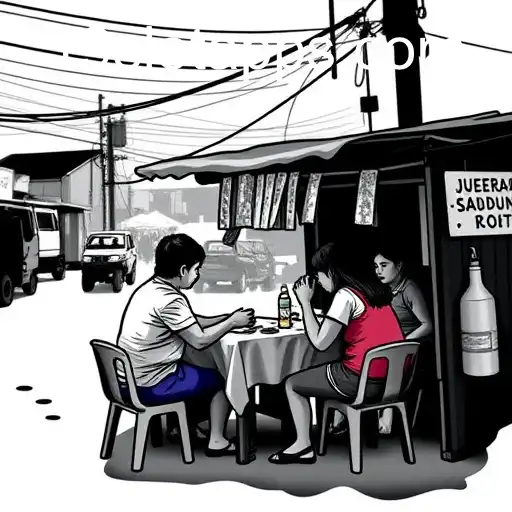
The Intricacies of Jueteng: A Deep Dive into Its Social and Economic Impact
Jueteng, a popular numbers game in the Philippines, has long been a fixture in Filipino society. This informal form of gambling has permeated the social fabric of local communities, raising both concerns and support due to its deep-rooted cultural significance. Despite multiple attempts by the government to clamp down on Jueteng operations, it continues to thrive, reflecting the complexities of gambling culture in the country.
Historical Context of Jueteng
The origins of Jueteng can be traced back to the Spanish colonial period in the Philippines. The game is believed to have evolved from Chinese lottery-style games, merging cultural influences and becoming deeply ingrained in Filipino traditions. Over the years, Jueteng has adapted and endured, with its allure lying in its simplicity and the promise of quick monetary gains.
The mechanics of the game are quite straightforward, involving the selection of number combinations that players hope will get drawn. Despite its simplicity, the game has led to complex operations that involve collectors, bet-takers, and insiders responsible for drawing the winning numbers.
Contemporary Appeal and Expansion
In recent years, Jueteng has evolved beyond its traditional format. With advancements in technology, there have been rumors and discussions about digital adaptations and online versions of the game. The proliferation of online platforms, presumably like 19SLOT.COM, may pose a significant impact on how Jueteng is played and experienced. However, the core community-centered aspects of Jueteng continue to sustain its popularity.
The commercial success of Jueteng relies heavily on its widespread acceptability and participation across various social strata. Even as it exists in a legal gray area, Jueteng draws participation from the masses due to low entry costs and the promise of substantial winnings. The game offers a brief respite from economic hardships, fueling hope among those who partake in its pursuit.
Socio-Economic Implications
The social impact of Jueteng is profound, with both positive and negative connotations. On one hand, it provides livelihood opportunities for those involved, from bet collectors to facilitators orchestrating the entire operation. For many, Jueteng serves as a coping mechanism amidst economic hardships, drawing thousands into its fold with the lure of potential windfalls.
Conversely, the undercurrent of organized crime associated with Jueteng raises concerns about ethical implications. Rampant corruption and the allocation of proceeds among local policymakers are frequently cited issues, potentially undermining governmental authority and societal integrity.
Legal and Ethical Considerations
The legal status of Jueteng in the Philippines remains contentious. Despite numerous attempts by law enforcement agencies to stamp out illegal gambling, Jueteng survives and often thrives due to its deep-rooted presence in society. An ongoing debate persists regarding the legalization and regulation of such games, with proponents arguing that formal recognition could yield tax revenues and aid in regulating operations.
The ethical considerations surrounding Jueteng are equally complex, stemming from its dual nature as both a source of income and a potential harbinger of addiction and financial ruin. Efforts to prohibit Jueteng must also consider these intricate socio-economic dynamics to avoid unintended consequences that exacerbate existing inequalities.
Future Outlook and Potential Reforms
Given the persistent existence and expansion of Jueteng, there have been calls for reform that focus on providing alternative livelihoods and structured recreation for communities entrenched in the game. Economic diversification and educational initiatives aimed at reducing dependency on gambling-centered activities are potential pathways toward societal transformation.
The rise of digital platforms and the potential inclusion of online gambling spaces like 19SLOT.COM bring a new dimension to discussions on Jueteng's future. These platforms represent both a challenge and an opportunity, prompting the need for innovative regulatory frameworks that address technological advancements and protect vulnerable populations from exploitation.
Ultimately, the landscape of Jueteng in the Philippines encapsulates the broader cultural, socio-economic, and ethical challenges facing the nation. As stakeholders navigate these murky waters, they must reconcile traditional practices with the pressing demands of modernization and governance.